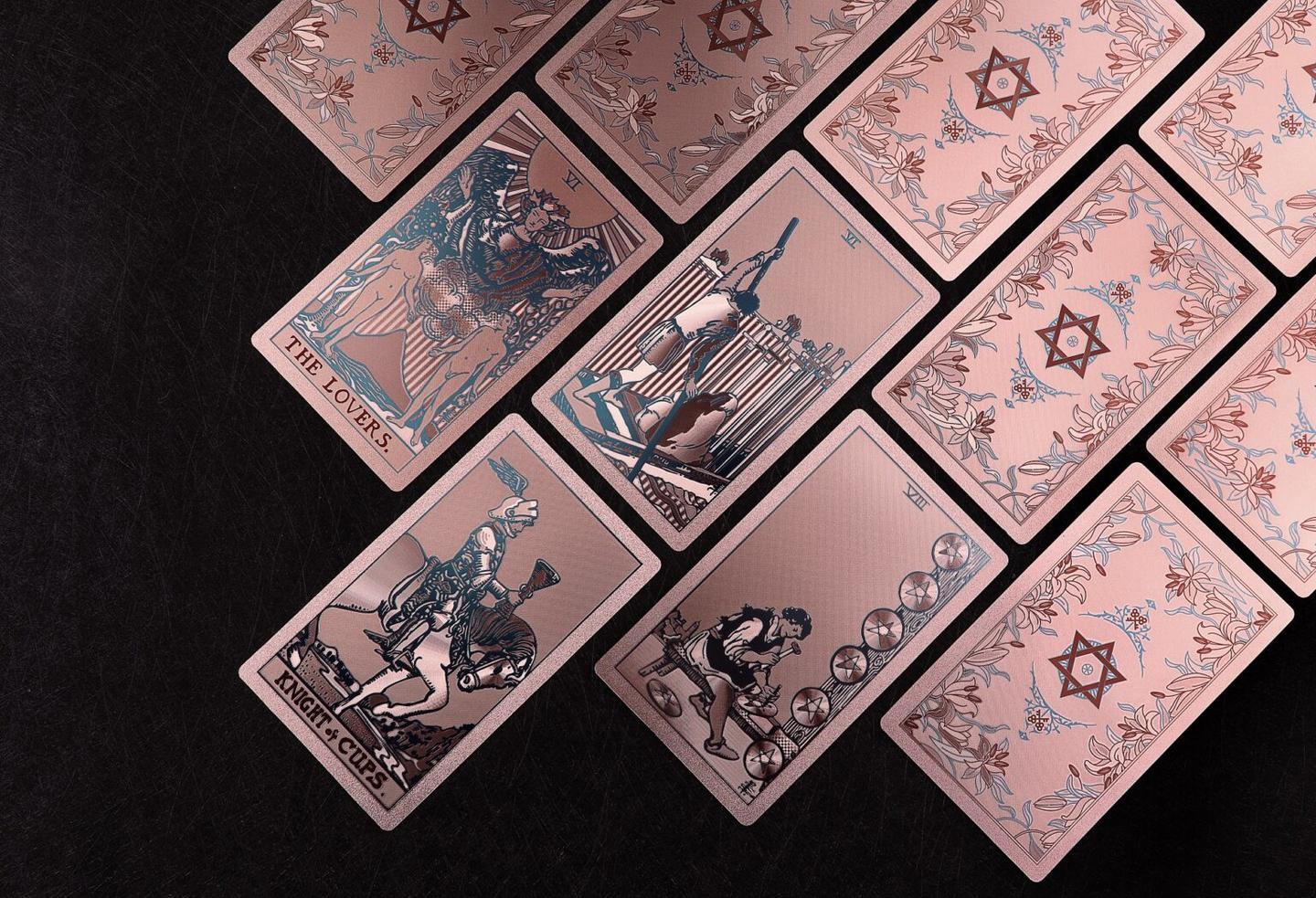
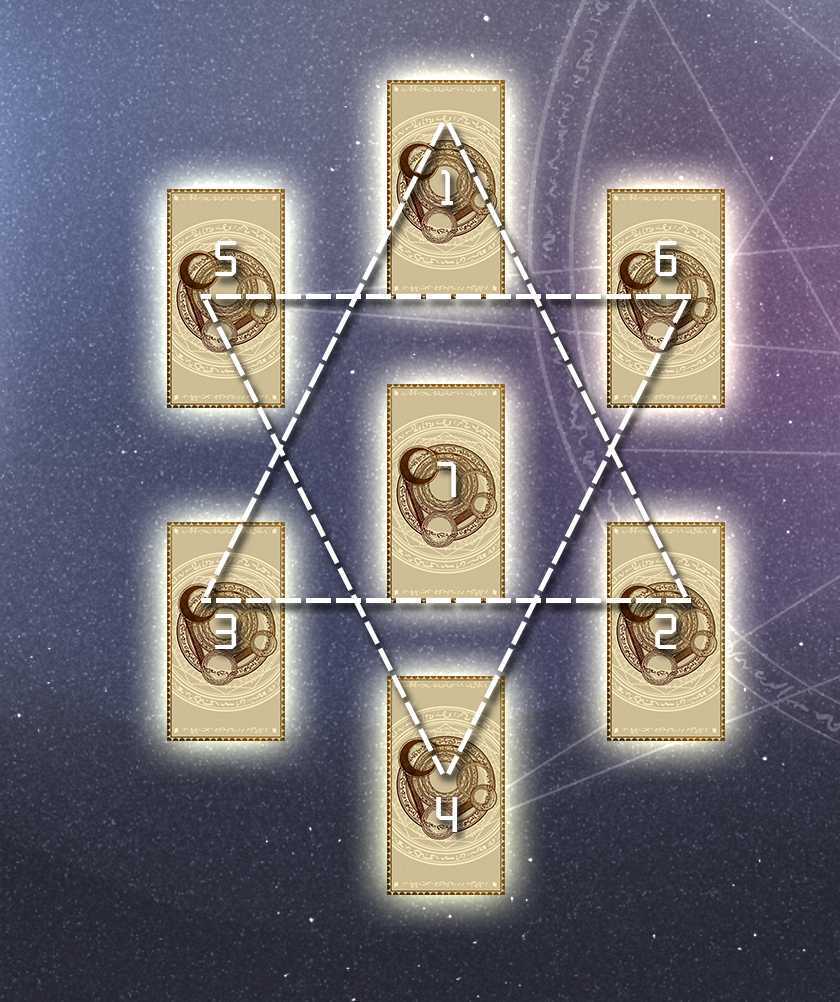
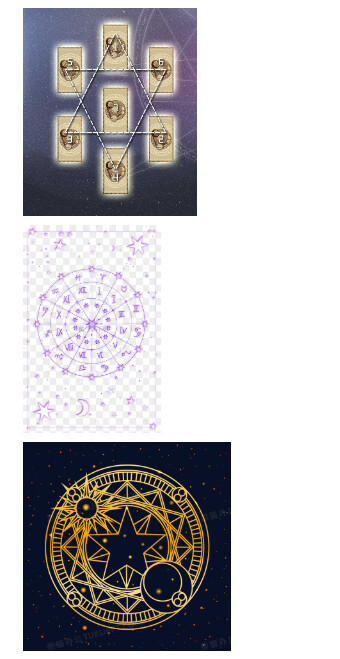
This type of content seems to record a large number of photos with red arrows, a large number of abstract symbols and graphics unique to the Tarot realm, and does not seem to be supported by the utf-8 encoding system, focusing on how different card arrangements indicating a particular relationship can be expressed electronically. Or should the book *.pdf be stored directly in tiddlywiki? Or a screenshot?
If I were trying to build a wiki around something like this, I’d probably create an individual tiddler per card with the title matching the card (“Knight of Cups” or “Six of Coins” [sorry, I can’t tell what the one with the disks on the sides is]). I might then add fields to the tiddler that represent useful elements (i.e. “suit” = “cups”, rank = “6”, etc.). I would write some sort of template to render the page the way I wanted. If I also wanted to show the images, I would load them as separate tiddlers and transclude them into the page.
You say its a high definition image however it a appears to have a shadow or light accross it, so if you were to try and reuse it you may have artifacts.
I would look for a better source.
Not withstanding the fact there is absolutely no evidence to support tarot cards and if there ever was not likely a mechanisium for spirits to influence the bytes on a computer let alone a college for spirits to update their skills, since many became spirits before the transistor, even Vacume tubes were invented.
Quantum can’t be observed, and if observed, it can easily affect the accuracy of its results. I always thought the UK had Hogwarts School of Witchcraft and Wizardry. Does it have it or not? Is it not that Europeans are almost religious (Christian, Catholic, Orthodox, or whatever)? Tarot cards have nothing to do with these three religions, right? I think its tarot cards as tiddlers document a number of web front-end technologies that can be discussed for a long time
The Hogwarts Alumni School, established in 1456 in Milan, Italy, (now with UK members, including Senior Sorcerer “Rowling”) provides advanced training to aspirant TW’s.
All applicants can access an entry form via Remote Viewing at Spiritual URL tarot://hogwarts.alumni.admin.
Far too complicated to explain the “NO” to that.
Suffice it to say that Tarot, as Cartomancy, evolved from normal playing cards. Primarily accelerated through addition of the Major Arcana. Likely in the Northern Italy of the 14th/15th centuries via an expanded Tarocchini.
Not quite. IF the image has clear lines. Especially if ONLY in bichrome (two distinct colours, typically black and white) conversion to SVG for a TW lightweight is trivial.
Is it not that Europeans are almost religious (Christian, Catholic, Orthodox, or whatever)? Tarot cards have nothing to do with these three religions, right?
On a non-technical front, this is complex. Tarot cards are primarily used for fortune telling and divination (though card games are played with tarot decks as well) and that would meet with disapproval for the vast majority of Christians, Muslims, and Jews. I could be misremembering this, but I thought that strictures against fortune telling and divination were behind the opposition to the standard 52 card deck in past centuries (in addition to the disapproval of gambling).
That said, you will find mystical/occult offshoots from all three, not everyone who is a cultural member of a religion follows all of its rules, and as the West is increasingly secularized, there isn’t much moral indignation about the cards.
This seems very interesting, and it seems that I need to read more great works on the Western occult, or read more papers on the development of Western religions, to fill in the gaps in my knowledge
But there is “Intellectual indignation about the cards, from sceptics and critical thinkers”,
True. My read on the average person in the west is that they would not believe in fortune telling, divination, or astrology as objective truth, but see it as harmless fun. This is why you see horoscopes in magazines and fortune tellers with full store fronts.
Ironically, the belief that such things don’t work but that the side effects are negative would be shared by both the stronger Secularists and the more observant of the primary faiths.