
When and When not too do?

I am currently based on my property in the bush, I am taking the opportunity to relax but there are multiple things I also wish to do while here. I have noticed however I keep making life difficult for myself by not noticing when something is in the negative. For example consider the following examples;

  • When its windy
    • I cant spray the blackberry
    • I don’t like washing dishes on the back veranda
  • I don’t like walking when it is hot
  • I do like walking when it is not hot

Now add to this that right now it may or may not be hot/windy and later today the weather app tells us it may or may not be hot/windy. Similarly I am only here for 5 more sleeps before I leave for a month, I want to list the things I can or must do and if I can/cant do them and which can wait until my return.

  • The above is only a subset of possible conditions and compatibility with different actions
  • Many of the conditions are relevant in their negation eg; its not windy so I should now spray
  • There can be one or more items that can be done when a particular condition is true or false.

I am thinking about a way to organise items with a condition or its negation to encourage me to do things when I have the ability to do so rather than put them off until they can’t be done :frowning_face: which has happened a few times.

  • It was still this morning so I did the dishes and walked 4km
  • There is a light breeze and its not too hot so I am doing some physical outdoor chores off my list
  • I plan to go to town this afternoon so I will also
    • Get some town water
    • Buy some bread

All of this I would like to handle in a way that I simply add a task and choose which conditions are or should not be true, such that I can plan my day effortlessly. Some are reoccurring.
Any thoughts?

1 Like

Honestly, the scenarios you describe don’t seem like they require mechanisation to me.

But if you want a computer-based solution to this…

Consider the new Nova Language, which is technically a programming language, but behaves unlike any other I’ve ever seen.
I will link the last of its three introductory pages as it is more relevant to your predicament: How Nova makes complicated decisions.

First I am not necessarily asking for mechanisation, or automation, but whether or not this is needed would surely depend on the individual circumstances, the number of tasks, the complexity and conditions that are present. There may cases where such tasks and conditions may apply to small or even large groups of tasks and people to carry out the tasks.

The language you link to could be an approach, but if I have some solutions in Pseudocode, I should be able to implement them in TiddlyWiki if desired.

My Current thoughts are a condition table and traffic light system, on paper or in code, but still need to design the algorithm. I was wondering if anyone had tackled a similar problem.

  • In a way its like dependencies of tasks, less on other tasks, but on environmental conditions that change, thus the list changes.

I just have subsume macros (The Subsume Plugin — Turn links into sliders!) with list widgets. One is “Waiting” with items tagged Waiting, for items waiting on responses from others. “When I’m tired”, “When the power goes out”, etc. So if it is raining, you open “When it’s raining” and see a list of things you can do then. I suppose you could also do “When it’s not raining” and just add ! to the list widget to make it the opposite of “When it’s raining”. But that seems overkill to me.

3 Likes

Oohhhh… That’s what that does! That’s cool.

1 Like

Add a list of things you want to do any given day and their severity.
It is a given that time is finite – and we won’t have time to do all the things that we’d like to do.

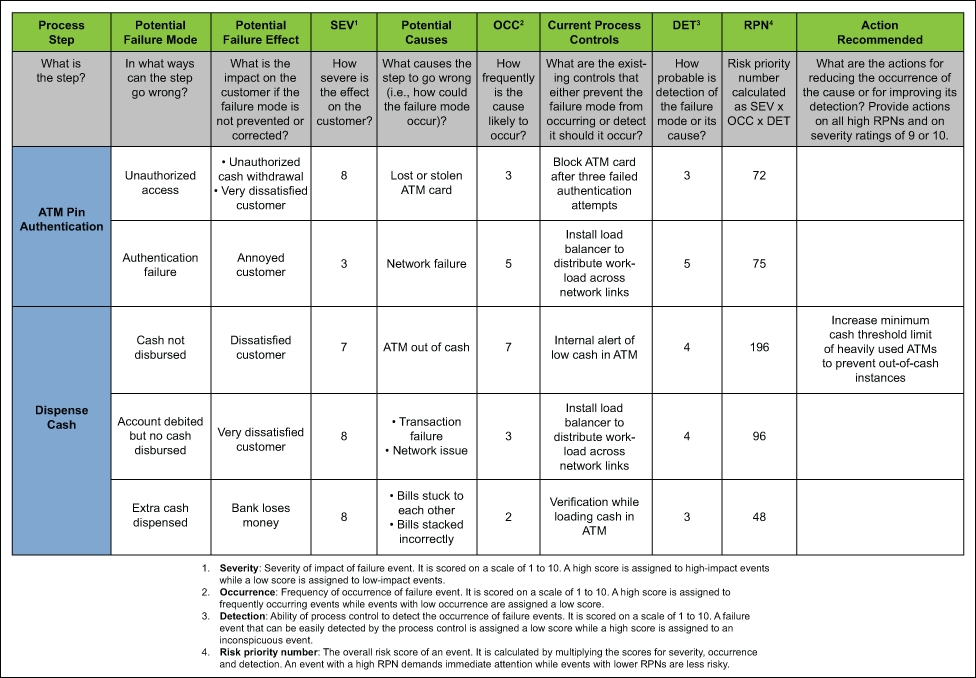
The FMEA framework might be of help to prioritize things that you should do:

Avoid Failure When Using Failure Modes and Effects Analysis (FMEA)

(Avoid Failure When Using Failure Modes and Effects Analysis (FMEA))

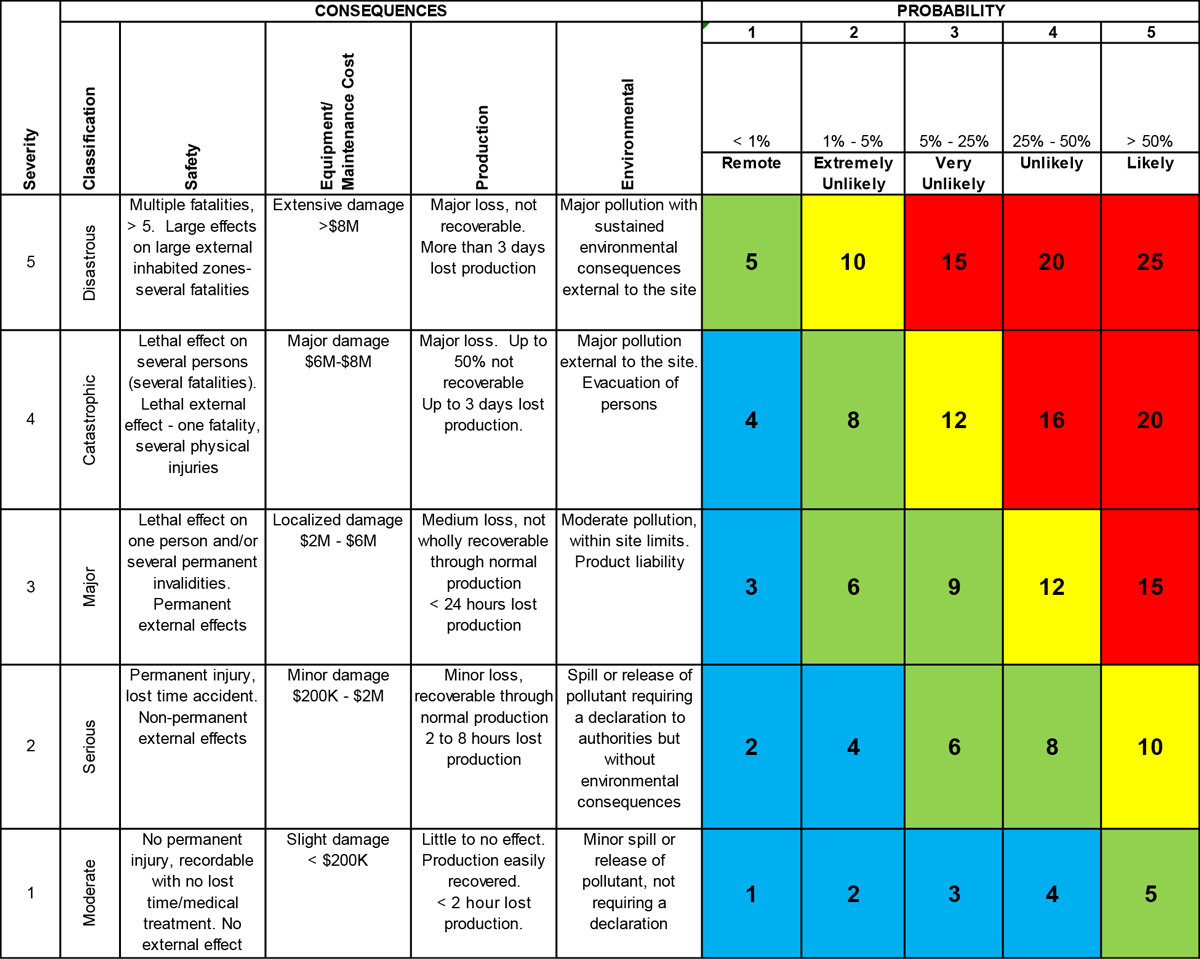
This one uses color for probabilities: