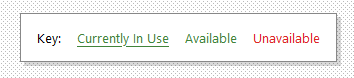
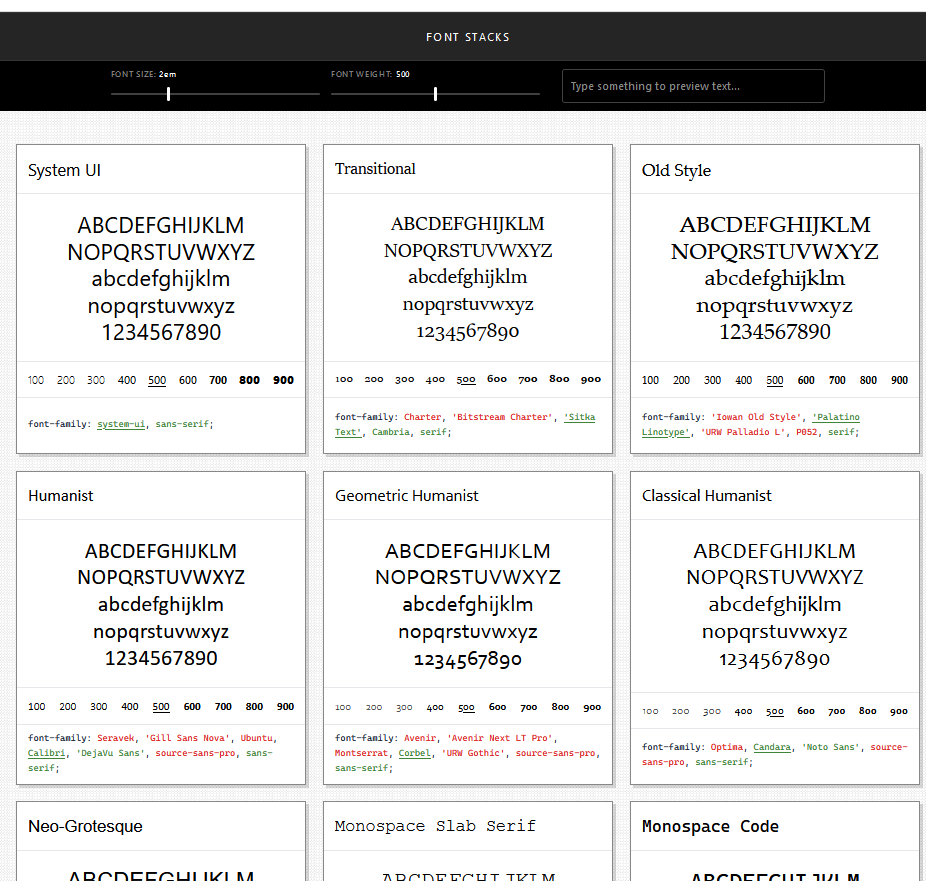
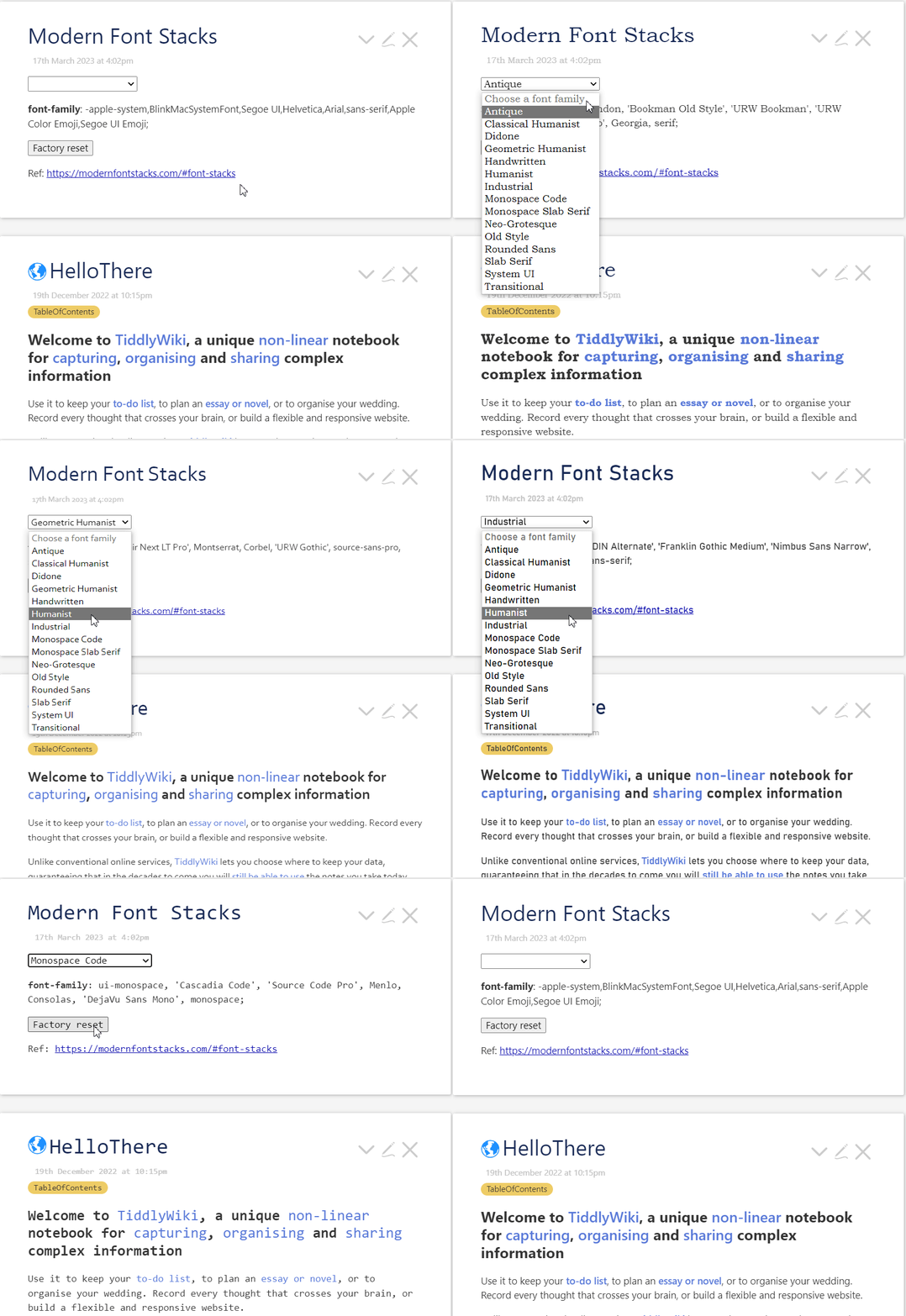
I think it makes sense to have a closer look. If you are fine with the font families listed here, you will never need to load slow CSS web-fonts. .. No tracking … Just fast
The easiest way will be to use them in the ControlPanel → Appearence → Theme Tweaks
for the font-family settings.
If you prefer one system-font over the other, you only need to move it to the front of the string.
Important: Since those settings are for different OSes it’s important to use all of them in the theme-tweks. Similar to the settings we have at the moment. So users of a different OS as you use also have a nice setting.
It may be possible to create a plugin, which will allow users to switch between different presets.
If you mess it up, just delete the setting tiddler and the core setting will take over again.
The only way I can think of is, to install the fonts if they are available and free to use with your OS. Most of them are probably bound to the OS itself, but actually I don’t know. I did not have a closer look.
I just got a link to the page and thought it would be a nice way to have some more styling possibilities without the fuzz of using web-fonts.
It’s important to not re-publish any font without the right license!
Note that there are several “generic” font-family values that work across all platforms: “serif”, “sans-serif”, “cursive”, “fantasy”, and “monospace”. Where appropriate, these font-family names should always be listed last in any of the $:/ControlPanel > Appearance > Theme Tweaks settings, so that if any of the platform-specific fonts are not present, the generic font-family values can be used as default “fallback” fonts.
One place where I prefer to specify ONLY a generic font-family value is in the “Editor font family” setting, for which I enter just “monospace” (as opposed to using a platform-specific font like “courier”). I find that this makes it easier to format and edit tiddler source wikitext content because the fixed-width font lets me apply consistent spacing for indentation of nested widget syntax, as well as aligning similar syntax that occurs across multiple lines of wikitext source.